
Editor’s Note: This post was updated on November 10, 2026, for accuracy and comprehensiveness. It was originally published on May 13, 2020.
Key Takeaways
Bacteria in the gastrointestinal (GI) tract influence many functions in the body.
Probiotics and prebiotics work together to balance bacteria in the GI tract.
Prebiotics feed and support the healthy bacteria and cells in the colon.
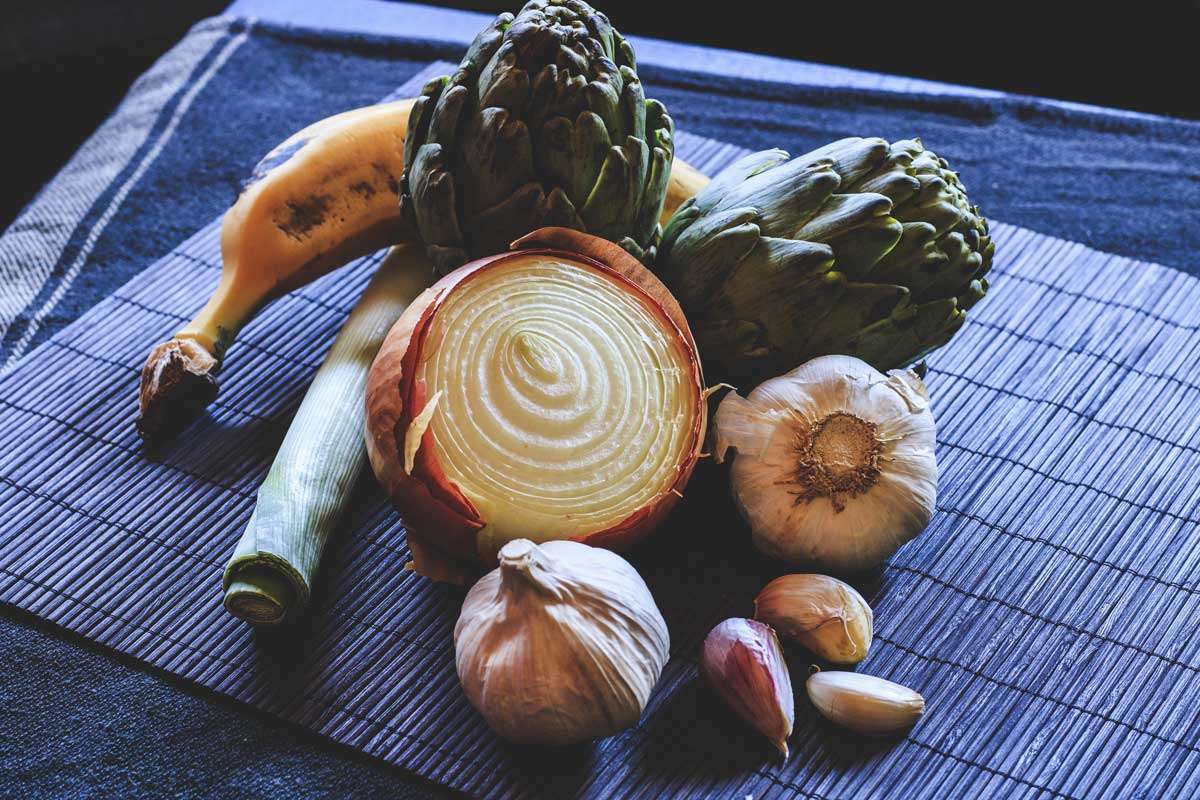
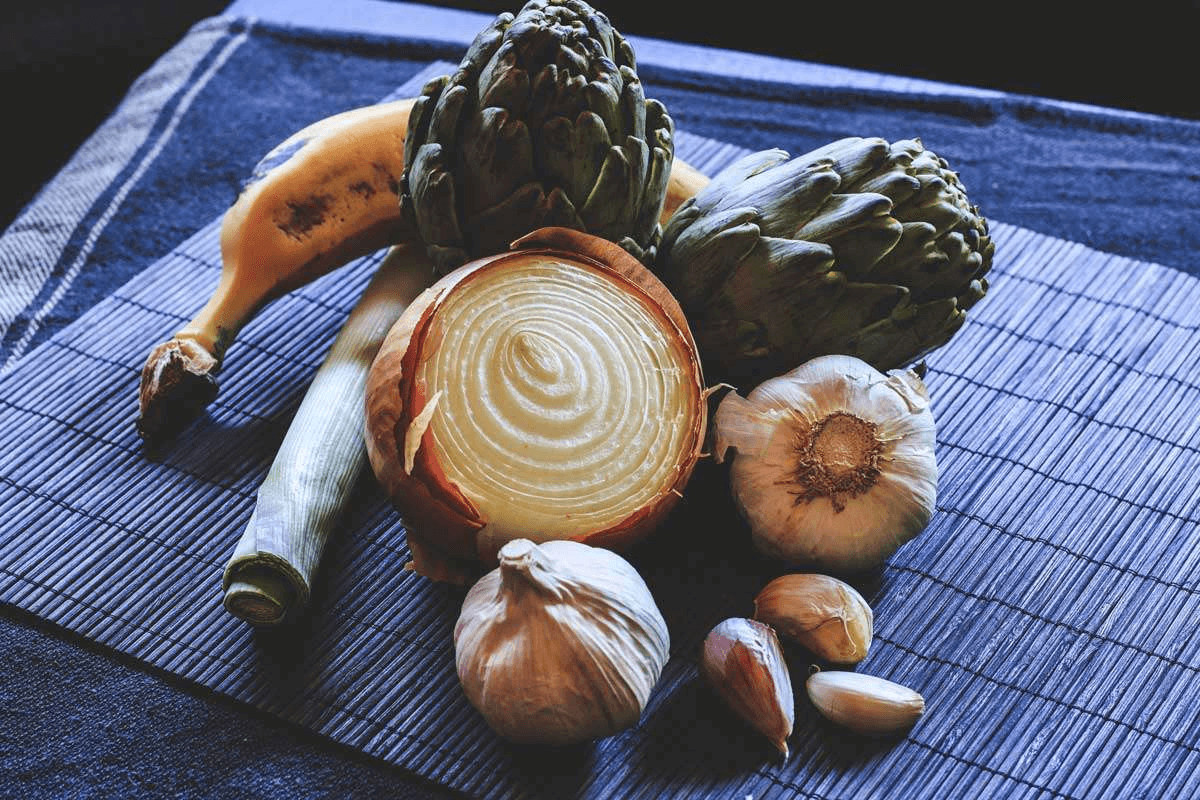
Should you take prebiotics? For many people, prebiotics can be obtained through everyday foods such as garlic, onions, bananas, asparagus, and beans. Prebiotics are a type of fermentable fiber that feeds beneficial bacteria in the gut.
Prebiotic supplements are sometimes considered when dietary fiber intake is low or when recommended by a healthcare provider for a specific digestive concern. This article covers what prebiotics do, their potential benefits, and common food sources.
The topic of gut microbiota and its influence on human health is gaining a lot of attention. Because of this, many health experts are looking at the possible effects of prebiotics and probiotics to prevent disease.
Prebiotics and probiotics also fall into the category of functional foods, which are foods that may offer health benefits when consumed regularly. Examples include fruits, vegetables, grains, nuts, and fortified foods such as yogurt and cereal. Interest in functional foods has grown as research on their potential benefits continues.
Prebiotics are a type of nutrient (specifically, a carbohydrate) that is broken down and used to support the gut microbiota, which is made up of microorganisms that live within the digestive tract.
The original definition of prebiotics has remained mostly unchanged for many years. This definition uses three “criteria” to classify a nutrient as a prebiotic:
Resistant to gastric acidity and hydrolysis by mammalian enzymes and GI absorption. In other words, the compound is not broken down by stomach acid and digestive enzymes.
Can be fermented by intestinal microflora.
Selectively stimulates the growth and/or activity of intestinal bacteria associated with health and wellbeing. Prebiotics help good gut bacteria flourish.
Prebiotics vs. Probiotics
Before looking more closely at prebiotics, it helps to understand the difference between prebiotics and probiotics and how each supports gut health.
The digestive tract, which is colonized with bacteria at birth, is known by some as the body’s “second brain.” The bacteria in the digestive tract influence the body’s metabolism, endocrine and immune functions. Prebiotics and probiotics work symbiotically to balance and support healthy gut bacteria.
Probiotics are live microorganisms, mostly bacteria and some yeasts, that may help support a healthy balance of gut microbiota. Some common probiotics include Lactobacillus acidophilus, Lactobacillus rhamnosus GG, Saccharomyces boulardii, Bifidobacterium bifidum, and Bacillus coagulans. You’re likely to see one or more of these live strains listed on probiotic supplement labels.
Probiotics are relatively easy to find in food as well. They are most commonly found in fermented foods like sauerkraut, kimchi and kombucha. Probiotics may be added to dairy products like kefir and yogurt as well.
On the other hand, prebiotics feed and support probiotics in the digestive system. Common types of prebiotics include fructo-oligosaccharides (FOS), galacto-oligosaccharides (GOS), and trans-galacto-oligosaccharides (TOS). They are commonly found in foods such as fruits, vegetables, beans, and grains.
What Do Prebiotics Do? The Benefits
Prebiotics feed beneficial bacteria in the gut, which may influence systems beyond digestion. A healthy gut is associated with overall health. Therefore, prebiotics play a supportive and vital role in many important systems of the body, including the digestive tract, metabolism, immune system, and even the neurological system.
Prebiotics Support Digestive Health
A healthy balance of gut microbiota protects the body from harmful types of bacteria, viruses, and fungi. Without prebiotics to support the growth of healthy gut bacteria, harmful microorganisms may be more likely to grow.
Diet is a major factor that influences the growth of healthy bacteria. Supporting these bacteria with proper nutrition may help them protect the digestive tract from harmful viruses or bacteria. When gut bacteria ferment prebiotics, they produce short-chain fatty acids, which serve as an important energy source for the cells that line the colon and provide another layer of protection in the digestive tract. The fermentation of prebiotics may also change the pH of the colon, making it more favorable for certain bacteria.
Prebiotics’ Influence on Your Health
Gut microbiota is considered integral to health, meaning it is associated with many diseases. Prebiotics work symbiotically with probiotics to balance gut bacteria, which may influence the development and management of obesity, immune disorders, inflammation, gastrointestinal (GI) disorders, and neurological disorders.
Obesity, Weight, and Body Composition
Research also links prebiotics to body composition, not just body weight. People with a large amount of harmful gut bacteria may absorb more calories, therefore putting them at higher risk for weight gain and obesity. Prebiotics may have the ability to manipulate gut microbiota to prevent obesity. In fact, one study of overweight or obese children ages 7-12 years found participants who consumed oligofructose-enriched inulin (a prebiotic) had significant decreases in body weight z-score, percent body fat, and percent trunk fat, compared to participants who consumed a maltodextrin placebo.
A 2013 study found a related effect. Researchers transferred gut bacteria from pairs of adult female twins, one lean and one obese, into germ-free mice. Mice that received bacteria from an obese twin gained more body fat than mice that received bacteria from a lean twin. These findings suggest that gut bacteria may play a role in body composition.
Immune System
The bacteria in the digestive system communicate directly with the immune system. Healthy gut bacteria can actually signal the immune system to trigger inflammation if infection is present. Prebiotics may also help reduce the colonization of pathogens by supporting the growth of beneficial bacteria, which can have an antimicrobial effect.
Inflammation
Although inflammation is a normal function of the immune system, chronic inflammation can harm the body. Chronic inflammation has been linked to obesity, heart disease, cancer, and other diseases and conditions. A healthy balance of gut microbiota may help decrease chronic inflammation and the risk of disease.
GI Diseases and Conditions
When prebiotics are fermented in the colon, they produce short-chain fatty acids, which provide energy for the colon’s epithelial cells. These cells line and protect the colon. As a result, prebiotics may strengthen the protection provided by these cells, which may reduce the risk of GI conditions like irritable bowel syndrome (IBS), Crohn’s disease, and even cancer.
Prebiotics may also reduce symptoms of GI conditions.
Neurological System
Many know the central nervous system as the brain and spinal cord. However, you may not know about the enteric nervous system, which includes the GI tract. There is a strong link between the enteric and central nervous systems in terms of cognitive and emotional function. Therefore, prebiotics support healthy gut microbiota to manage mood, learning, memory, and possibly some psychological disorders.
Prebiotics Into Your Diet
Prebiotics are naturally present in many foods. Consuming prebiotic foods delivers these nutrients directly to the colon, where they are broken down, fermented, and put to use.
Prebiotic Food Sources
Prebiotic foods consist primarily of fruits, vegetables, grains, and beans. Many of these foods contain fermentable fiber that gut bacteria use as a food source.
Vegetable Sources
Asparagus
Sugar Beet
Garlic
Leek
Onion
Tomato
Fruit Sources
Banana
Apple
Other Sources
Chicory Root
Dandelion Greens
Seaweed/Algae
Peas
Soybean
Rye
Barley
Cooking may alter the fiber content of some foods. Prebiotics are also available as dietary supplements.
Should You Take a Prebiotic Supplement?
Prebiotic supplements are sometimes considered when dietary fiber intake is low, when food choices are limited, or when recommended by a healthcare provider for a specific digestive concern. Because prebiotics are fermented in the colon, gas and bloating are commonly reported, particularly at higher doses. Whole foods provide a variety of fiber types along with vitamins, minerals, and other compounds, which is why food sources are generally considered the primary way to obtain prebiotics.
All in This Together
Prebiotics and probiotics work together to support a healthy gut. Prebiotics feed beneficial bacteria, while probiotics add live microorganisms that help maintain microbial balance. A balanced gut microbiota is associated with immune, metabolic, and neurological health, and a varied diet that includes both prebiotic and probiotic foods may help support this balance.
Frequently Asked Questions
Should you take prebiotics every day?
Many people consume prebiotics daily through foods such as fruits, vegetables, grains, and beans. Because gut bacteria rely on a regular supply of fermentable fiber, consistent intake from a variety of foods is generally considered more beneficial than occasional large amounts.
What do prebiotics do?
They feed the beneficial bacteria already living in the gut. As those bacteria ferment prebiotics, they produce short-chain fatty acids that help nourish the cells lining the colon and may influence immune function, metabolism, and mood.
What are prebiotics good for?
Prebiotics are associated with digestive health, immune support, reduced inflammation, and potential effects on weight and body composition. These benefits are linked to their role in supporting a balanced gut microbiome.
Are prebiotics or probiotics better?
Neither; they do different jobs. Probiotics add helpful bacteria; prebiotics feed the bacteria you already have. They are considered complementary, and diets that include both fermented foods and fiber-rich foods support both.