Join our mailing list. We never spam.

Recent content from InBody USA

Fitness

Nov 3, 2026

DUPR and InBody Announce Official Body Composition Technology Partnership

DELRAY BEACH, Fla., Nov. 3, 2026 /PRNewswire/ -- DUPR, the global rating system for pickleball, today announced a new partnership with InBody, one of the global leaders in body composition technology, naming InBody the Official Body Composition Technology Partner of DUPR.

The partnership brings together two organizations focused on helping people better understand their performance and make more informed decisions about their health and fitness. Through the collaboration, InBody will engage with the DUPR community through digital content, event activations and special product offers for DUPR players, clubs and coaches.

As part of the partnership, InBody will have a presence across DUPR's digital ecosystem, including the DUPR app, website, email communications and social media channels. InBody will also activate at select DUPR-owned events, giving players and attendees opportunities to interact with InBody products and participate in experiences such as grip-strength testing with InBody's InGrip.

"Pickleball is increasingly becoming part of how people stay active, competitive and connected, and that makes understanding your body and performance increasingly important," said Tito Machado, CEO of DUPR. "InBody brings trusted technology and meaningful insights to that conversation. We're excited to introduce our community to tools that can help them better understand their health and fitness both on and off the court."

The partnership will also provide opportunities for DUPR players and the broader DUPR ecosystem to access InBody products, including special offers for DUPR Clubs and DUPR Certified Coaches.

"We're excited to partner with DUPR and connect InBody's technology with a growing community of active players who are invested in their health and performance," said Jeremy Choo, E-Commerce Business Development Manager at InBody USA. "Pickleball is a sport that brings together people of all ages and fitness levels, and we see a natural fit between InBody's mission to simplify the understanding of health and wellness and DUPR's commitment to helping players better understand their game."

The collaboration will also extend to DUPR's competitive events, with InBody product prizes and promotional activations planned around select regional and national competitions.

Together, DUPR and InBody aim to give players more ways to understand the relationship between their performance, fitness and overall well-being.

About InBody

InBody is an innovation-focused company that develops biomedical technologies designed to simplify the understanding of health and wellness. InBody's award-winning, medical-grade devices are currently used by more than ten million professionals and consumers across medical, fitness, research, and corporate wellness settings worldwide. The company delivers technologies and services in more than 110 countries, supported by thirteen global branch offices and a global network of distributors. To learn more about InBody and its mission, visit www.inbody.com.

Medical Field

Oct 8, 2026

Inglewood Bids to Become America's Second Blue Zone City, Powered by InBody

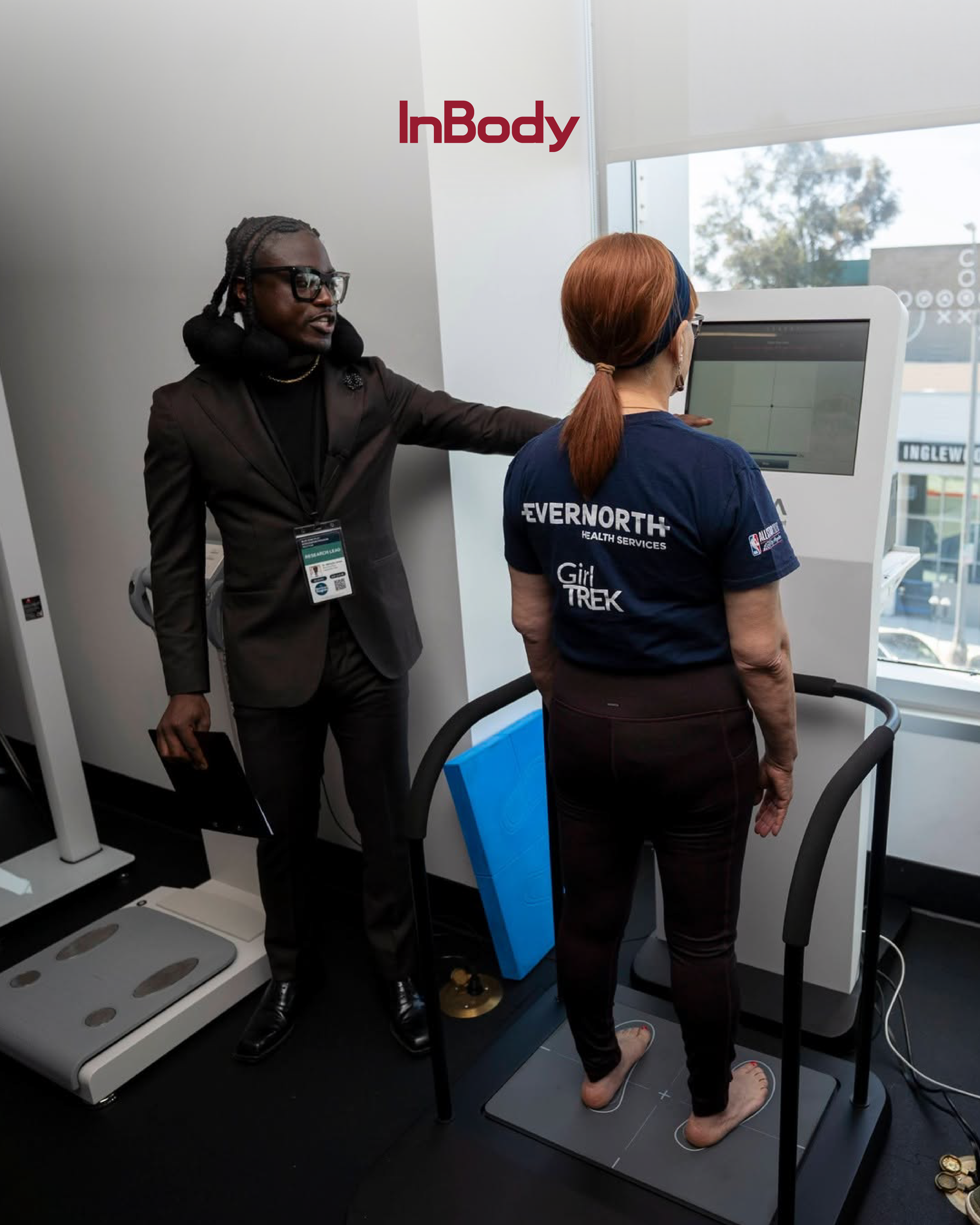
CERRITOS, Calif., Oct. 8, 2026 /PRNewswire/ -- InBody today announced the launch of a one-year fall prevention pilot with the City of Inglewood and the University of Southern California (USC), deploying its Fall Risk Assessment (FRA) system to help reduce fall risk among Inglewood seniors. The Inglewood City Council unanimously approved the initiative, which is backed by approximately $400,000 in city funding and supports Inglewood's goal of becoming the nation's second Blue Zone city.

Becoming a Blue Zone is among the most ambitious commitments a city can make. Of the world's five Blue Zones, only one sits on American soil, and Inglewood intends to become the second. The designation is earned over years rather than awarded, and it demands sustained change across an entire population. The city is starting where the stakes are highest: falls rank among the fastest contributors to lost independence in older age, and reducing them stands as an early, measurable test of Inglewood's resolve.

Inglewood's focus on falls is well founded: falls are the leading cause of injury and injury-related death among adults aged 65 and older in the United States, with one in four older adults experiencing a fall each year, according to the Centers for Disease Control and Prevention. Falls contribute to more than $50 billion in annual U.S. healthcare costs, with the majority borne by Medicare and Medicaid. Yet more than 80% of fall risk factors are detectable months before a fall occurs. Traditional screenings, however, often identify them only after functional decline has already set in. The InBody FRA system was built to close that gap, delivering an objective, integrated assessment of the sensory, nervous, and musculoskeletal contributors to fall risk so health and wellness professionals can act early and with precision.

The FRA system integrates three devices into a single comprehensive evaluation: a force-plate kiosk for balance and reaction-time analysis, an InBody body composition analyzer to identify muscle imbalances and sarcopenia, and a leg-strength dynamometer for objective bilateral force output. In Inglewood, the system will be deployed at the Senior Center through KRU Sciences, an applied research company founded by USC researcher Malcolm Jones to translate science into accessible, real-world community impact. "The KRU Sciences Blue Zone Access Model is built around identifying risk early and measuring outcomes over time. We could not accurately do the assessment phase of that model without InBody's technology," said Jones. "The data allows KRU Sciences and the City of Inglewood to identify fall risk, personalize interventions, and track whether we're actually improving health outcomes in the community." Together, these elements give the city a measurable, replicable model for evidence-based senior wellness.

"At InBody, we believe meaningful health outcomes start with precise, accessible measurement, and the knowledge to act on it," said Harry Yun, Chief Executive Officer at InBody USA. "We're proud to partner with the City of Inglewood and USC on this initiative because it aligns directly with our mission: to empower people to better understand and improve their health. We're giving seniors and their care teams the tools to identify fall risk early, intervene with confidence, and stay active in the communities they helped build." 

The path to approval was driven by education and community advocacy. USC clinicians and local physical therapy partners advocated for the FRA system after seeing it in action, taking the case to local leaders and ultimately the city council, where dozens of seniors from the Inglewood Senior Center filled the chamber in support. Completed in 2022 with approximately $50 million in city investment, the Senior Center will host the year-long program.

"Reducing falls among our seniors is more than a public health priority. It's a measure of how well we care for the residents who built Inglewood," said James T. Butts Jr., Mayor of the City of Inglewood. "Partnering with InBody and USC gives our community the tools and the expertise to do this right, and it's a meaningful step toward our vision of becoming the nation's second Blue Zone city."

While InBody is best known for body composition analysis, its product line also includes blood pressure monitors, stadiometers and the new FRA system. These products serve clinicians, coaches, athletes, and wellness professionals, supporting anyone working to understand and improve their health or performance. The FRA system's applications extend well beyond senior care to rehabilitation, post-injury recovery, and any population working to restore balance and stability.

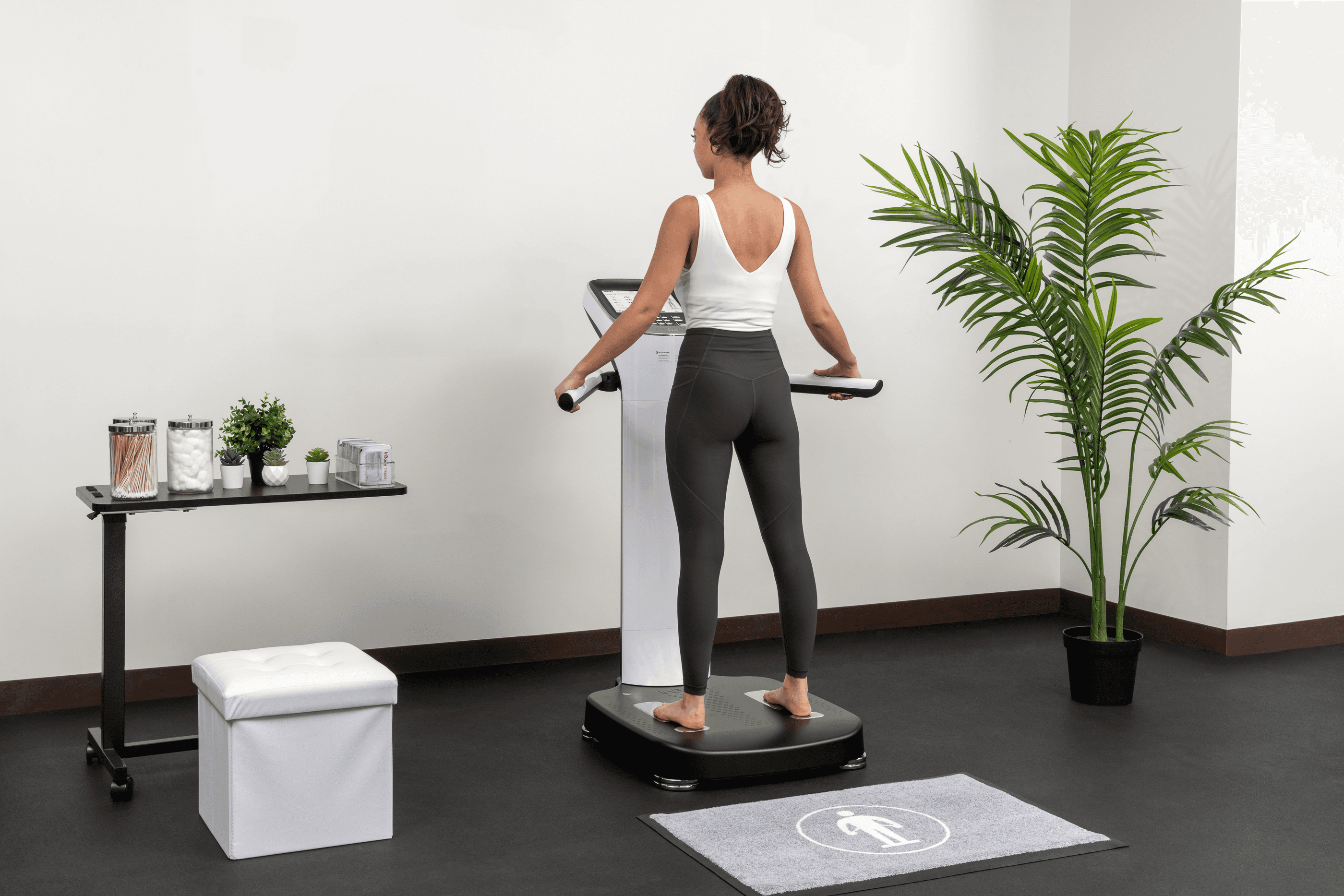
A woman standing on an InBody body composition analyzer for a professional body fat percentage test.

Health

Jul 17, 2026

25% Body Fat: What It Means for Your Health, Appearance, and Goals

Body fat percentage is one of the more informative health metrics available, yet it is also commonly misunderstood. At 25% body fat, you're in a range that means very different things depending on your sex, age, and goals. What these numbers mean in practice depends on a range of individual factors.

This article covers what 25% body fat means, how it looks, how it may affect health and performance, and how it can be measured accurately.

What Does 25% Body Fat Mean?

Body fat percentage is the proportion of your total body weight made up of fat mass. At 25% body fat, one quarter of your body weight is fat; the rest is lean mass, which includes muscle, bone, organs, and water.

25% body fat for men sits at the upper end of the "acceptable" range and borders on "overweight" by most classification systems. For women, 25% falls squarely in the "fitness" or "average" category, depending on the chart you reference. Age matters, too; what's considered normal shifts upward as we get older.

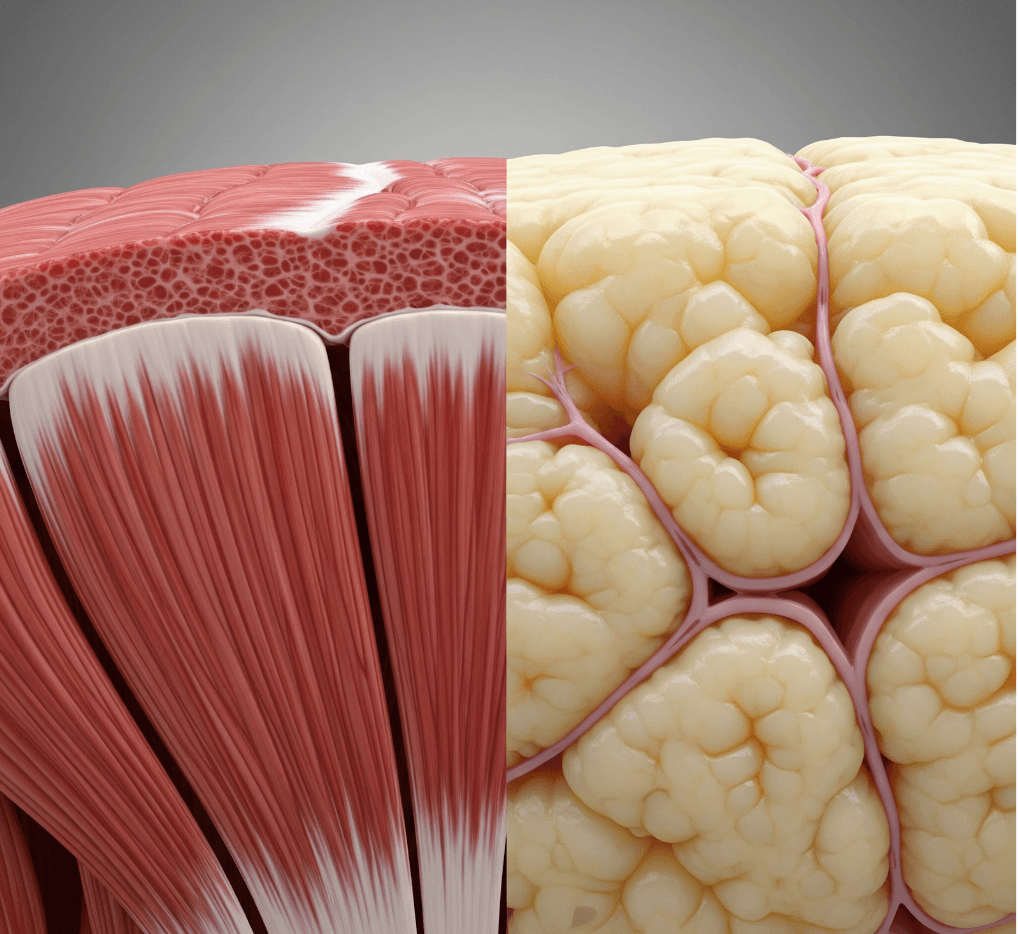
This number alone doesn't tell the whole story. Where your fat is stored (visceral vs. subcutaneous) often matters more than the total percentage.

Is 25% Body Fat Healthy?

For most women, yes, 25% body fat is within a healthy range. The American Council on Exercise classifies 25–31% as "average" for women and 18–24% as "fitness" level. For men, 25% falls into the “above average” range, where some health risk markers may begin to increase slightly.

The bigger concern isn't necessarily the number itself but what's driving it. High visceral fat, the kind that wraps around your organs, carries real metabolic risk regardless of your overall percentage. Two people at 25% body fat can have very different health profiles.

Blood pressure, blood sugar, cholesterol, and activity level all paint a more complete picture than body fat percentage alone.
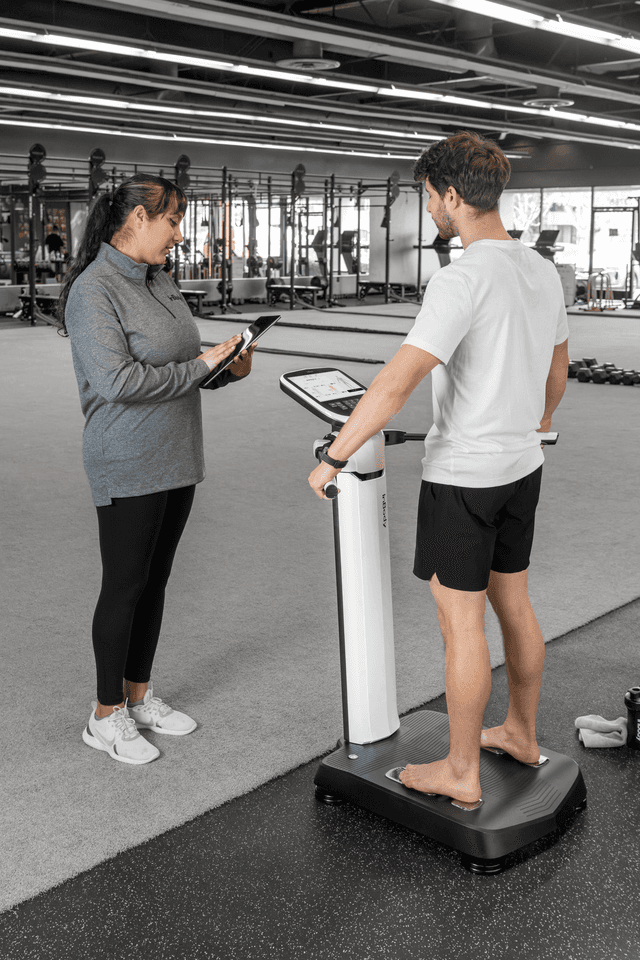
A fitness professional using a tablet to review body composition data with a client standing on an InBody professional body composition analyzer in a gym.

What 25% Body Fat Looks Like

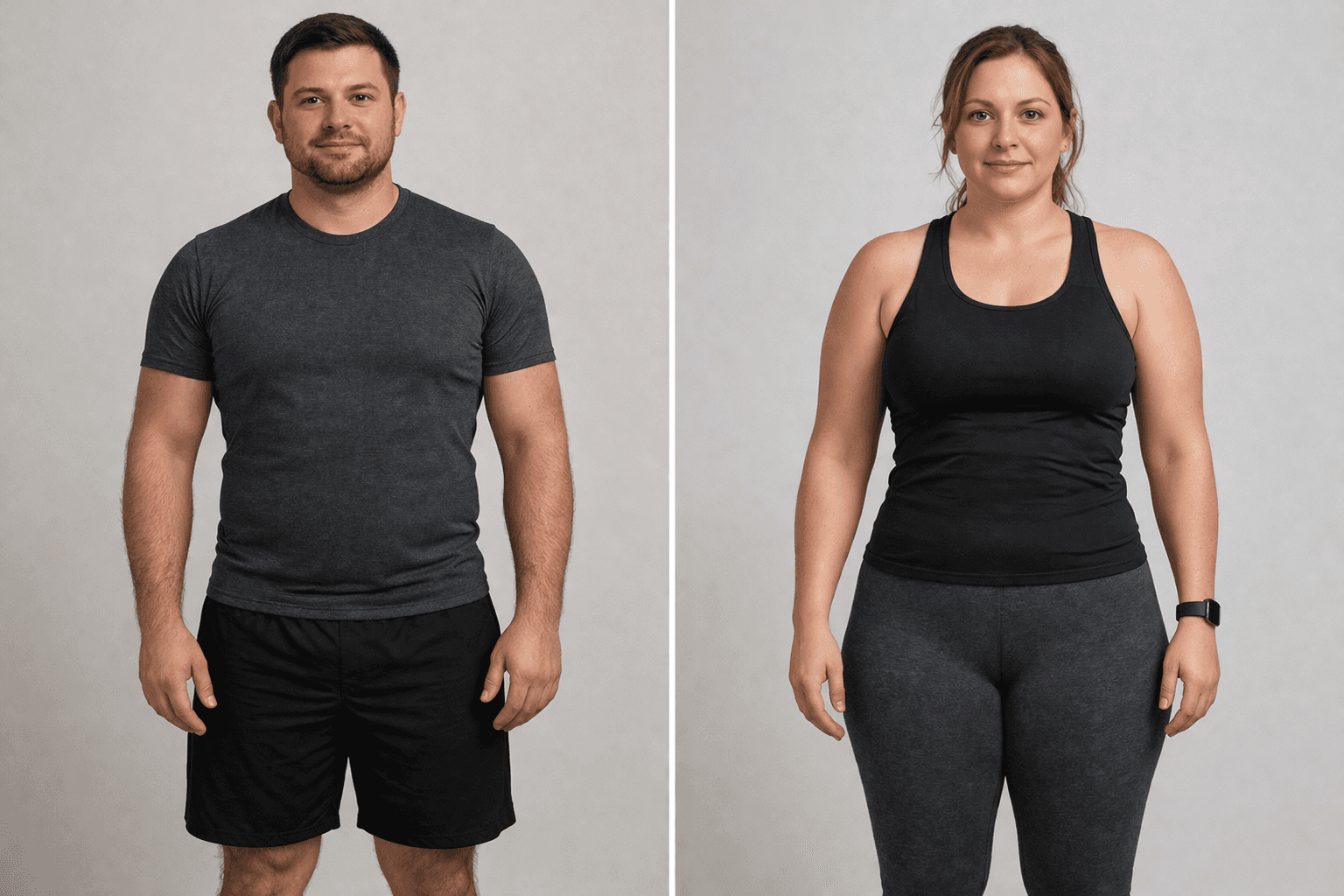
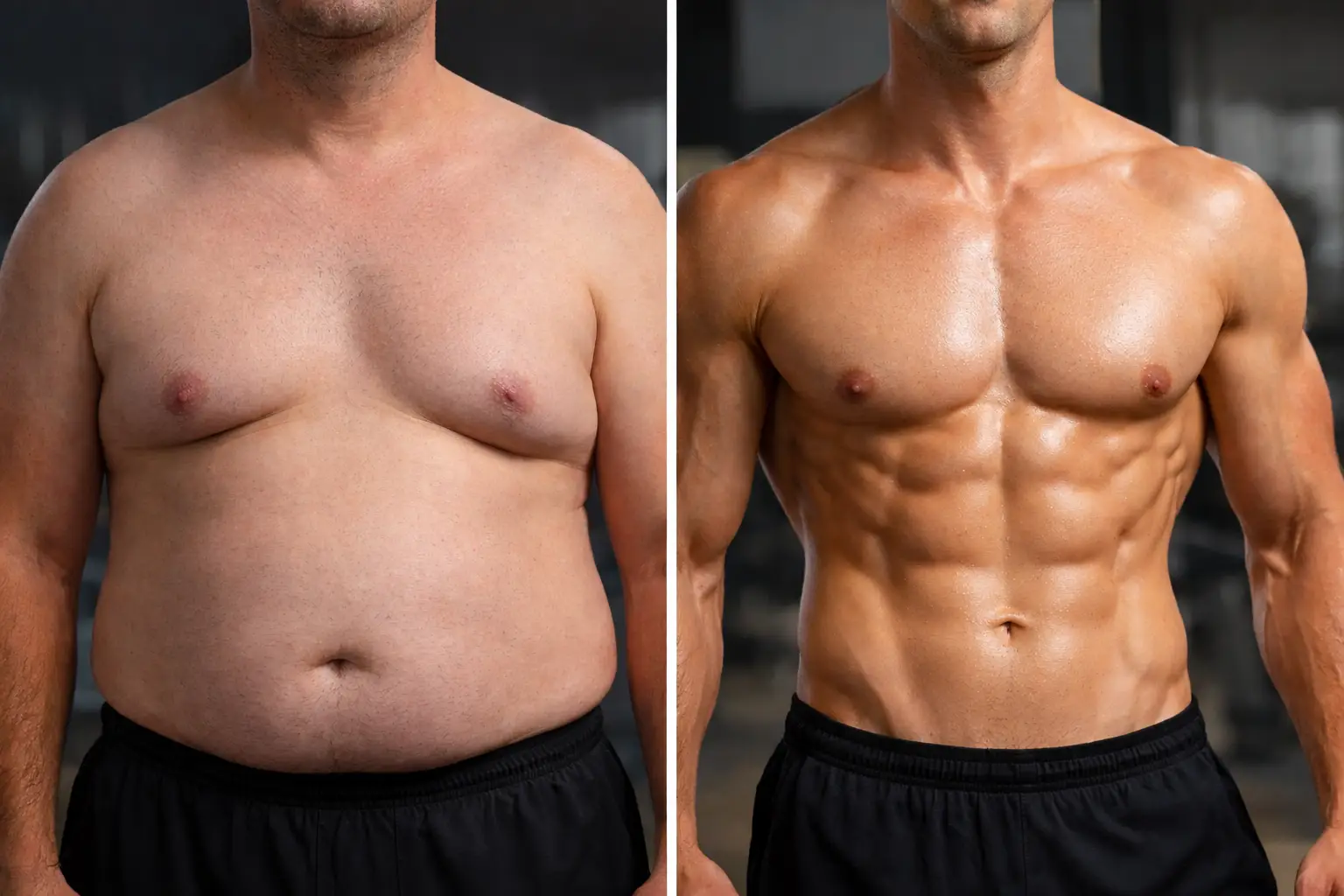
Visually, 25% body fat looks different on different frames. For men, it typically means a soft midsection with little visible muscle definition. The abs are not visible, and there's noticeable fat around the waist and lower back.

For women, 25% often looks quite lean. There's a defined shape, some muscle tone visible in the arms and legs, and modest fat coverage over the abdomen. Many women at this percentage would be considered athletic-looking by everyday standards.

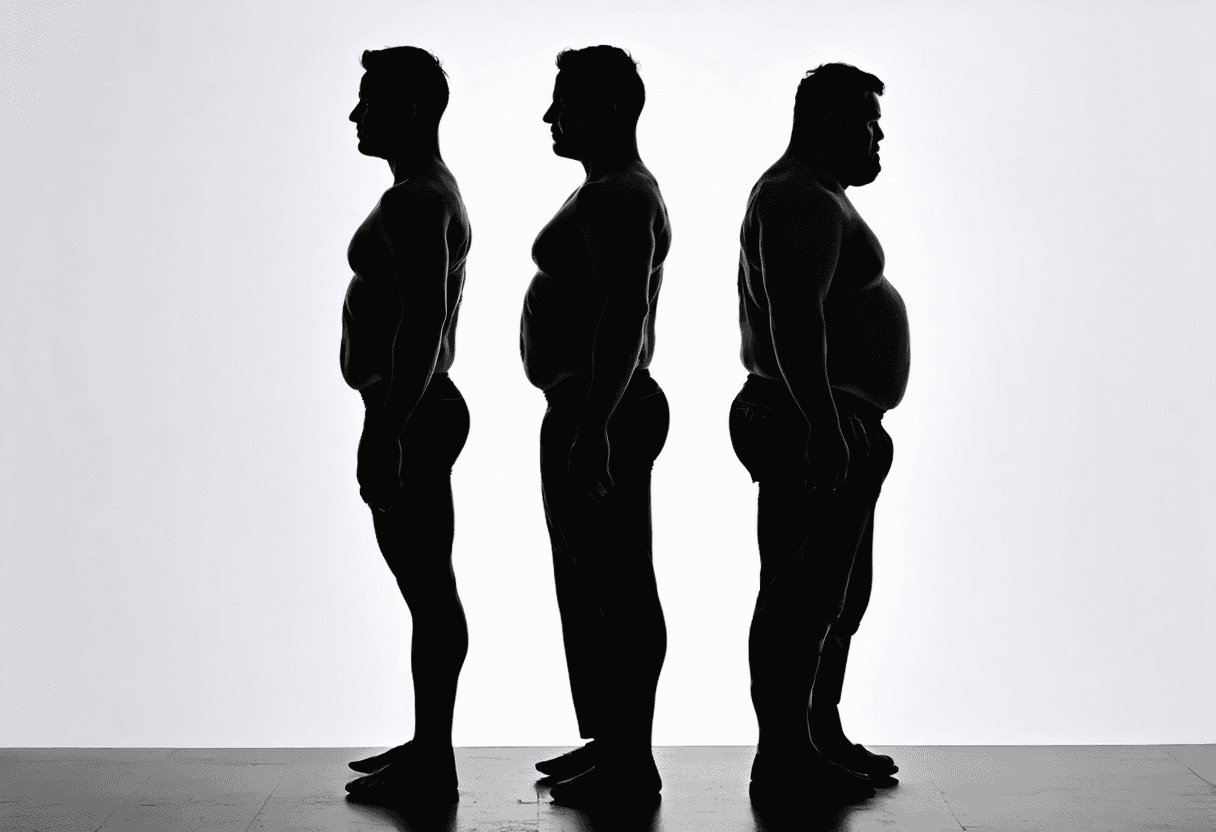
Body composition also plays a role. A person carrying more muscle at 25% fat will look noticeably leaner than someone with less muscle at the same fat percentage.

A fit woman in athletic wear stretching near an InBody H30 body composition scale on a studio floor.

How 25% Body Fat Affects Performance

Body fat percentage can have a meaningful impact on physical output. Carrying excess fat adds load without contributing to strength or power.

At 25% body fat, most people can still perform well in general fitness activities. But endurance tends to suffer more than strength. If you’re a recreational athlete, you may notice slower run times or reduced stamina compared to leaner counterparts.

For most non-competitive exercisers, 25% body fat is not generally considered a significant performance barrier. Strength building, cardiovascular fitness, and general physical activity remain accessible at this level.

Should You Reduce 25% Body Fat?

The answer depends heavily on your sex, goals, and current health markers.

For women, 25% is often within a reasonable range to maintain, particularly when other health markers such as bloodwork are within normal limits.

For men with health concerns or athletic goals, reducing by 15–20% may offer meaningful benefits.

Whether reducing body fat is worthwhile depends on whether the goal is health-related or aesthetic.

Both are valid considerations, though they typically involve different approaches and timelines.

Reducing body fat generally requires sustained effort. When current levels are not associated with health concerns, more moderate approaches are often more appropriate than aggressive caloric restriction.

How Body Fat Is Typically Reduced

Reducing body fat is generally associated with a combination of factors: a moderate calorie deficit, adequate protein intake, resistance training, and consistent cardio.

  • Calorie deficit: A deficit of 300–500 calories below daily maintenance is commonly recommended. More aggressive cuts may result in muscle loss alongside fat loss.

  • Protein: An intake of 0.7–1g per pound of bodyweight is commonly associated with lean mass preservation during a caloric deficit.

  • Resistance training: Training 3–4 days per week is commonly recommended to help preserve muscle mass during fat loss.

  • Cardio: Cardiovascular exercise can contribute to calorie expenditure without requiring further dietary restriction. Zone 2 cardio, performed at a conversational pace, is often considered a sustainable approach.
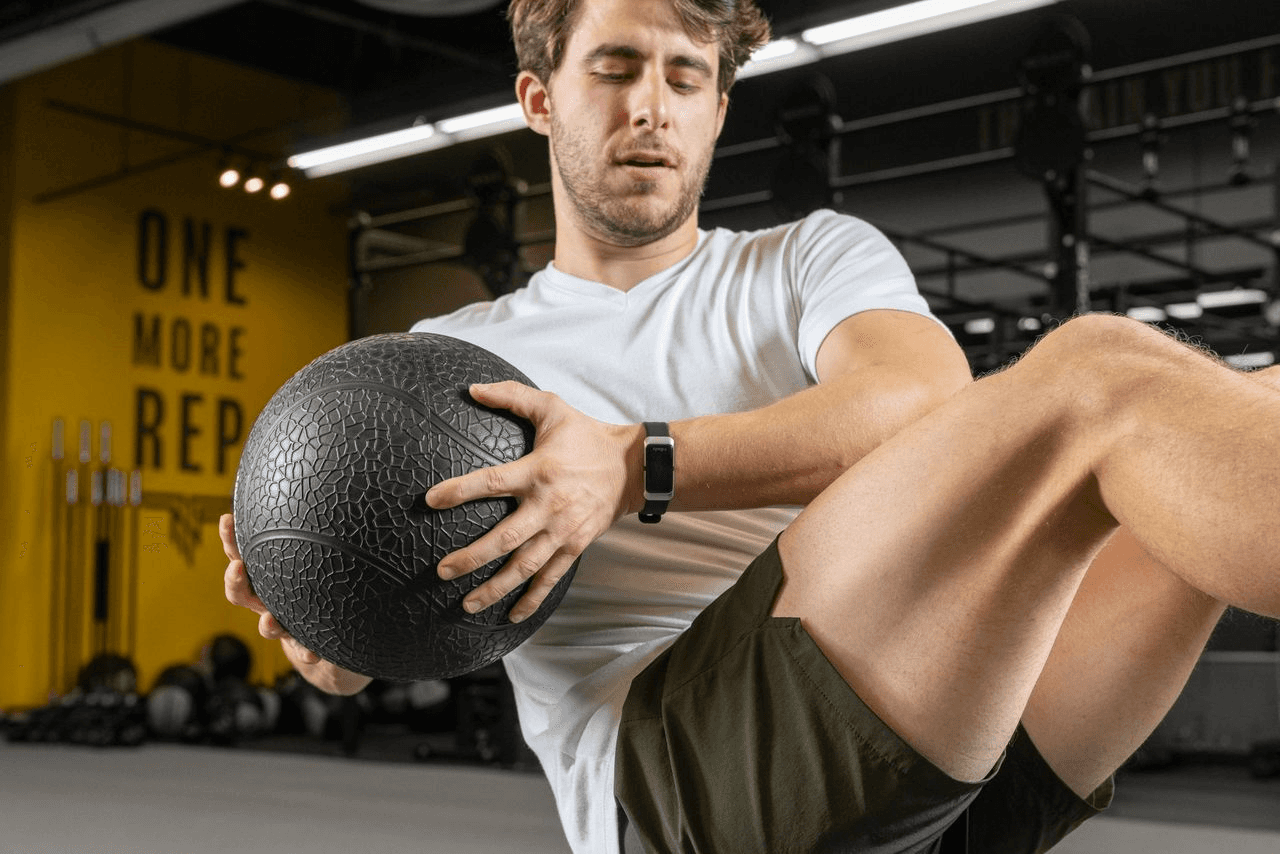
A man performing a medicine ball Russian twist exercise in a modern gym with "ONE MORE REP" signage in the background.

How to Measure Body Fat Accurately

The most appropriate measurement method generally depends on budget, access, and the level of precision required.

Method

Accuracy

Cost

Best For

Key Advantage

InBody Body Composition

High (when consistent)

Free–$100 per scan

Tracking progress over time

Fast, non-invasive, and highly repeatable for monitoring trends

DEXA Scan

Very High

$50–$250 per scan

Establishing a precise baseline

Gold-standard detail, including bone density and fat distribution

Skinfold Calipers

Moderate (operator-dependent)

$20–$50 per session

Frequent, budget-friendly tracking

Accessible and effective when performed consistently by the same technician

Smart Scale Estimates

Low

One-time purchase

General awareness

Convenient, but often inconsistent and influenced by hydration

Key Takeaways

  • 25% body fat means one quarter of your total body weight is fat mass, the rest is muscle, bone, organs, and water.

  • For women, 25% falls within a healthy, normal range. For men, it sits at the upper end of acceptable and is worth monitoring.

  • Where fat is stored matters as much as the number itself. High visceral fat carries metabolic risk regardless of your overall percentage.

  • Two people at 25% body fat can look completely different depending on how much muscle mass they're carrying.

  • At this percentage, most people can still train, build strength, and live actively without meaningful limitation.

  • Reducing body fat comes down to four levers: a moderate calorie deficit, adequate protein, resistance training, and consistent cardio.

  • The most reliable ways to measure body fat are InBody scans, DEXA scans, and skinfold calipers. Smart scales are convenient but inconsistent.

  • Before chasing a lower number, ask whether it's driven by health or aesthetics. Both are valid, but they lead to different strategies.

Bottom Line

At 25% body fat, the picture varies by sex and individual health markers. For women, it's a healthy, normal range. For men, 25% body fat is a level where monitoring health markers and activity levels may be worth consideration.

Understanding body fat percentage in context, and measuring it accurately over time, can support more informed decisions about health and body composition.


Get updates worth your time.

5,000,000+ users

Get updates worth
your time.

5,000,000+ users

Get updates worth
your time.

5,000,000+ users

Product

Software

Resources

Company