

Editor’s Note: This post was updated on November 10, 2026, for accuracy and comprehensiveness. It was originally published on October 14, 2020.
If you’ve been trying to change your weight or your body composition, you already know that progress isn’t linear. Maybe you’ve been tracking your weight and see no progress. If you’ve been eating a healthy diet and exercising on a routine basis, it can be so frustrating to feel like you’re not progressing toward a goal you set.
Why do these kinds of plateaus happen? And how can you push past them? In this article, we’ll cover the reasons why your weight or body composition might be remaining stable despite your efforts.
Common strategies for addressing a weight loss plateau include tracking food and calorie intake, logging workouts and varying exercise intensity, managing stress and sleep, and monitoring body composition in addition to body weight. Body composition can change even when the scale does not, since fat loss and muscle gain may happen at the same time. The sections below cover why plateaus happen and how each of these factors may contribute.
How You Should Think About Weight Loss
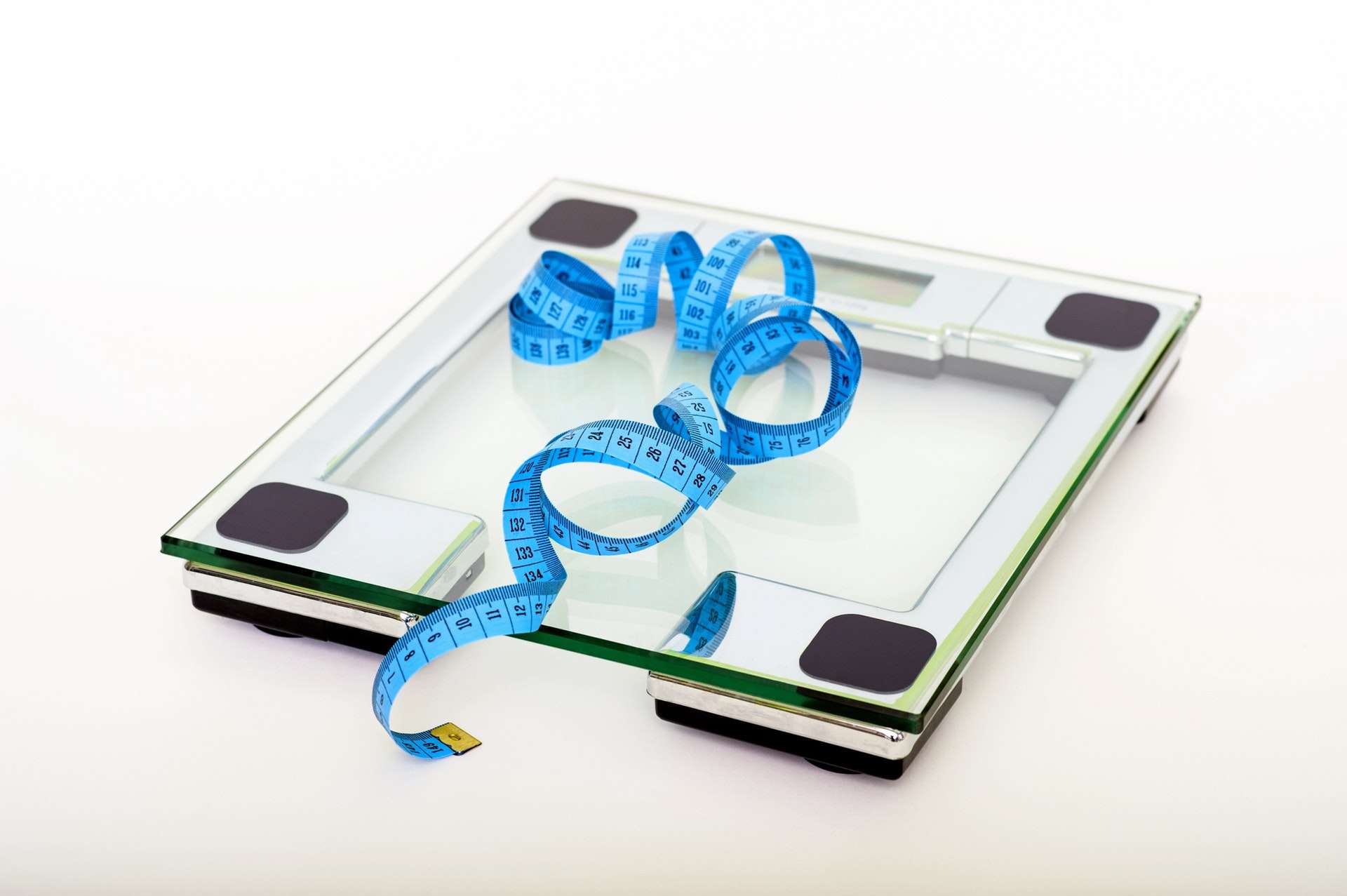
Body weight is not the full picture of health, and changes in fat mass may be more meaningful than changes in total weight. For example, weight may increase as a result of building muscle, which is associated with health benefits.
Weight loss plateaus are common.
In the Journal of the Academy of Nutrition and Dietetics, researchers identified plateaus occurring across the board at the 6-month mark of a diet—with regimens ranging from “diet alone, diet and exercise, exercise alone, meal replacements, very-low-energy diets, weight-loss medications, and advice alone.” Now that we cleared that up, you might be wondering if a plateau is your body’s way of telling you that this is the weight it wants to be at. What you are referring to is the “Set Point” theory and we will go into more detail in this next section.
What About Set Point?

Some people notice a weight range where they feel their best, with more energy and mental sharpness. Others find that their weight stops changing at a certain point despite continued effort.
Set point theory is the idea that your body weight is regulated at a predetermined or “preferred” range. While there are conflicting opinions on whether “set points” do exist, some research supports the idea of a regulated weight range. This suggests the body may tend to “settle” within a certain range.
What does this theory mean for your health and body composition goals? Is it possible to change your body at all? To answer these questions, it’s important to understand how your body weight is determined and how that plays a role in your set point range.
Body weight is influenced by three main factors:
Genes
Environment (diet and exercise)
Epigenetic effects (hormones)
In other words, a variety of factors like genes, hormones, exercise frequency, nutrition, and other physiological mechanisms help determine your body’s weight range. Let’s look at each one of these in more detail.
1) The Role of Genetics on Body Weight Set Points
Genetics play a role in how body weight is determined, but they are only one factor. There are genetic factors that can predispose people to a certain body weight set point range. However, researchers have found that “bad genes” are unlikely to explain the rapid rise of obesity rates around the globe.
According to a review of several studies that looked at the link between genetics and obesity, “Moving from genetic predisposition to obesity itself generally requires some change in diet, lifestyle, or other environmental factors.”
Lifestyle factors such as calorie intake, food quality, and physical activity may help offset a genetic predisposition to a higher body weight range.
2) The Role of Environmental Factors on Body Weight Set Points
As mentioned, there are two environmental factors that help determine your body’s set points: what you eat and how much you move.
Exercise

It’s not surprising that exercise plays a role in determining your body’s set points. Human physiology follows the first law of thermodynamics, which states that energy can be transformed from one form to another, but cannot be created or destroyed. In other words, your body has a natural “energy balance”. What you eat and drink = “energy in” and what you burn = “energy out.” Generally speaking, if you consume more calories than you burn, over time you will gain weight. If you consume fewer calories than you burn, you will almost always lose weight. As noted above, you can offset certain genetic markers of obesity through lifestyle changes like adjusting your exercise frequency. Exercise, and particularly strength training, is an effective method for reducing body fat. And the more you exercise, the more you may be able to change your body weight set point due to decreases in body fat levels and increases in lean body mass.
Diet

What you eat is another important factor. Energy intake and output over time influence set point. While exercise can help reduce body fat, adjusting calorie intake may be the most effective method for preventing weight gain.
Regulation of body weight is asymmetric, which means it is generally easier to gain weight and keep it on than to lose weight and keep it off. Diets that promote a healthy balance between energy intake and output are commonly associated with maintaining a lower body weight range.
Meals that are high in protein and fiber, lower in fat, and plant-based may support a lower body weight set point range, and a sustainable eating pattern is generally easier to maintain over time. For those aiming to maintain body composition after increasing lean body mass, strength training and adequate calorie intake, particularly from protein, are commonly recommended.
3) The Role of Hormones on Body Weight Set Point
Your hormones are another factor that affects your body weight set point. For example:
Research shows that higher testosterone levels can help you maintain lean body mass.
Leptin, commonly known as the “satiety hormone” or “fat hormone”, plays a role in helping you maintain body weight set point range.
Higher levels of cortisol, the “stress hormone,” are associated with fat accumulation in the body.
Now that you understand why your body may stay within a weight range, read on for strategies to help you get past a plateau.
How to Break Your Plateau: Strategies That Work
Plateaus are common regardless of the approach used. The following strategies may help when progress stalls.
1) Keep a Food Journal

Start by re-examining your food choices and your calorie intake. You can keep yourself accountable by logging your food intake using a food diary. One study in the American Journal of Preventive Medicine showed that the more diligently participants tracked their food and calorie intake, the greater amount of weight loss they experienced. It’s not uncommon to think your diet is better than it really is, or that you’re consuming fewer calories than you really are. This matters because losing body fat generally requires a caloric deficit, meaning consuming fewer calories than are burned.
After a week of logging your meals, snacks, and drinks, you’ll be in a better position to correct your weight loss plan. For example:
Reviewing food choices against MyPlate, the USDA guide that replaced the food pyramid and emphasizes fruits and vegetables.
Monitoring portion sizes.
Using an app to log calorie intake.
Remember the dreaded 6-month plateau? A separate study conducted on weight loss plateaus also observed participants experiencing a plateau after 6 months and found the most significant factor leading to a plateau was poor dietary habits. They concluded that “An intermittent lack of diet adherence, not metabolic adaptation, is a major contributor to the frequently observed early weight-loss plateau.”
2) Log Your Workouts

Similar to how you log your food, keep yourself accountable by logging your workouts. In a study published in the Journal of Medical Internet Research, researchers reported, “Current users of exercise apps were 27% more likely to self-report being active compared to participants who have either never used an exercise app or stopped using their apps.”
Here are some helpful ways to make exercising and tracking your workouts part of your day-to-day routine:
Start a fitness journal (start with paper and pen, or find an app online)
Hire a personal trainer
Track your steps using a pedometer
Join an athletic social networking community
Varying exercise routines with both low-intensity and high-intensity training may help prevent a workout plateau. Interval training is one way to introduce new exercises and reduce boredom from repeating the same workout.
3) Remember Your “Why”

Motivation can influence how consistently diet and exercise habits are maintained over time. The original reasons for making a change, such as having more energy for family or daily activities, can serve as a reference point when routines become harder to keep up.
We covered a lot of information and by this point, you are either ready to get started or you might be feeling a little overwhelmed. Either way, this may be a good place to start discussing stress and fatigue.
Break a Scale Plateau by Tracking Body Composition
Here’s the strategy no scale can give you: check whether your “plateau” is even real. The bathroom scale weighs muscle, fat, and water as one number, so if you’re losing fat and building muscle at a similar rate, the scale can sit still for weeks while your body is genuinely changing underneath. That’s not a plateau, it’s progress the scale can’t see.
Tracking your body composition, your body fat and lean mass separately, tells you what’s actually happening. If your fat is dropping while your weight holds, you’re not stuck at all, and the fix is patience, not panic. If body fat truly isn’t moving, then the strategies above are where to look. Either way, you’re working from real information instead of a number that lumps everything together.
The Hidden Culprits Behind Your Plateau
It’s so easy to start hard and fast, only to burn out later. If you are not careful, it is easy to let it overwhelm you and hinder your success. Let’s uncover two of the “hidden” culprits behind plateaus—stress and fatigue.
Hidden Culprit #1: Stress

Stress can stem from many sources, including work deadlines, family or personal issues, and health concerns. It can also result from a focus on weight loss and exercise.
The cycle is frustrating: the more you worry about your weight and push yourself through intense exercise sessions, the higher your stress levels—and, sometimes, the slower your progress.
Why does this happen? The reason traces back to prehistoric ancestors. Their bodies relied on a hormone called cortisol, which gives off “a quick burst of energy, heightened memory, increased heart rate, and a lowered sensitivity to pain.” All of this was incredibly advantageous in high-stakes situations like famine and wilderness survival.
However, as humans have evolved, the challenges we face today have shifted from acute stress (like an animal attack) to constant stress. The issue plaguing many people is high levels of chronic stress, which can lead to an overproduction of cortisol and contribute to health problems. Common effects of too much stress include memory loss, weakened immune function, fat gain, muscle loss, and anxiety. Stress might seem like it’s all in your mind. But it has connections to the body as well. Studies show that the stress hormone cortisol affects your lean body mass—especially your muscles and muscular development—and your body’s fat mass.
As far back as 1964, researchers suggested this hormone hampers protein synthesis, the process that leads to new muscle.
Researchers mimicked a stressed state in healthy test subjects by adding cortisol to their systems via IV and oral tablets. They found that cortisol and inactivity were linked with loss of Lean Body Mass, muscle loss, and negatively affected body composition overall.
Hidden Culprit #2: Fatigue

What if you’re not experiencing much stress—but still hitting a plateau? Fatigue might be the culprit lurking behind your weight-loss stagnation.
If you’re tired, overworked, and don’t have energy for even routine tasks, you may be experiencing fatigue, the sense of exhaustion and emotional depletion that comes from overwork. Other symptoms include lethargy, slow reaction times, memory loss, reduced appetite, dizziness, and moodiness.
Fatigue can affect every aspect of your life, and health is no exception. Fatigue can make it difficult to make healthy choices, whether that’s cooking a nutritious breakfast or putting in a good workout at the gym. Worse, fatigue can lead to a vicious cycle: eating unhealthy meals, staying up late, and neglecting fitness leads to lethargy, which leads to more unhealthy meals, poor sleep, and missed workouts.
What You Can Do About Stress and Fatigue
The good news is that you can use the same strategies to combat both fatigue and stress. These strategies can even help you improve your hormone profile, which we explained earlier. Here are a few tips:
Getting enough sleep. Sleep disorders have been shown to disrupt hormone levels.
Eating a fiber-rich, protein-rich diet low in saturated fat. There is evidence that this type of diet may help boost your serotonin levels, popularly known as the happiness hormone.
Working out regularly, especially resistance exercises, has been shown to increase anabolic hormones.
Finding ways to manage stress.
Conclusion: Don’t Fear Your Plateau; Beat It
One of the key takeaways from this article is that you should try different strategies to overcome your plateau. Maybe more sleep is the solution; maybe adding a more varied and nutritious diet; maybe you’re not eating enough, or maybe you’re slipping into unhealthy habits unaware. The more you track and think about your habits, the better equipped you’ll be to make adjustments and common-sense health choices. Tracking habits can be useful data for doctors, too. If nothing is working, consider making a doctor’s appointment—there are a number of underlying conditions that can contribute to stagnated weight loss! Plateaus are frustrating, but they can also be motivating. They help us to remember why we are trying to accomplish our goals in the first place and to recommit to our health and well-being in the future. Since you’re a plateau expert now, you can make your plan today—and be prepared to break through to the next level!
Frequently Asked Questions
How Do You Break a Weight Loss Plateau?
Start by tightening what you track: log your food and calories honestly, since intake creep is the most common cause. Vary your workout intensity, protect your sleep, and manage stress, which raises cortisol and stalls progress. Then check your body composition, because a scale plateau often isn’t a real plateau.
How Long Does a Weight Loss Plateau Last?
It varies, but research finds plateaus commonly appear around the six-month mark of a diet. With consistent adjustments, most people can start moving again within a few weeks. If nothing shifts over a longer stretch, it’s worth checking with a doctor.
Is My Plateau Real or Just The Scale?
Often it’s the scale. If you’re losing fat and gaining muscle at a similar rate, your weight can hold steady while your body composition improves. Tracking body fat and lean mass separately is the only way to tell the difference.
Why Did I Stop Losing Weight Even Though Nothing Changed?
Two common reasons: your body now needs fewer calories at its lower weight, so your old deficit has shrunk, and small, unnoticed increases in portion sizes add up. Re-logging your intake for a week usually reveals the gap.